
What to Eat Near the Leaning Tower of Pisa
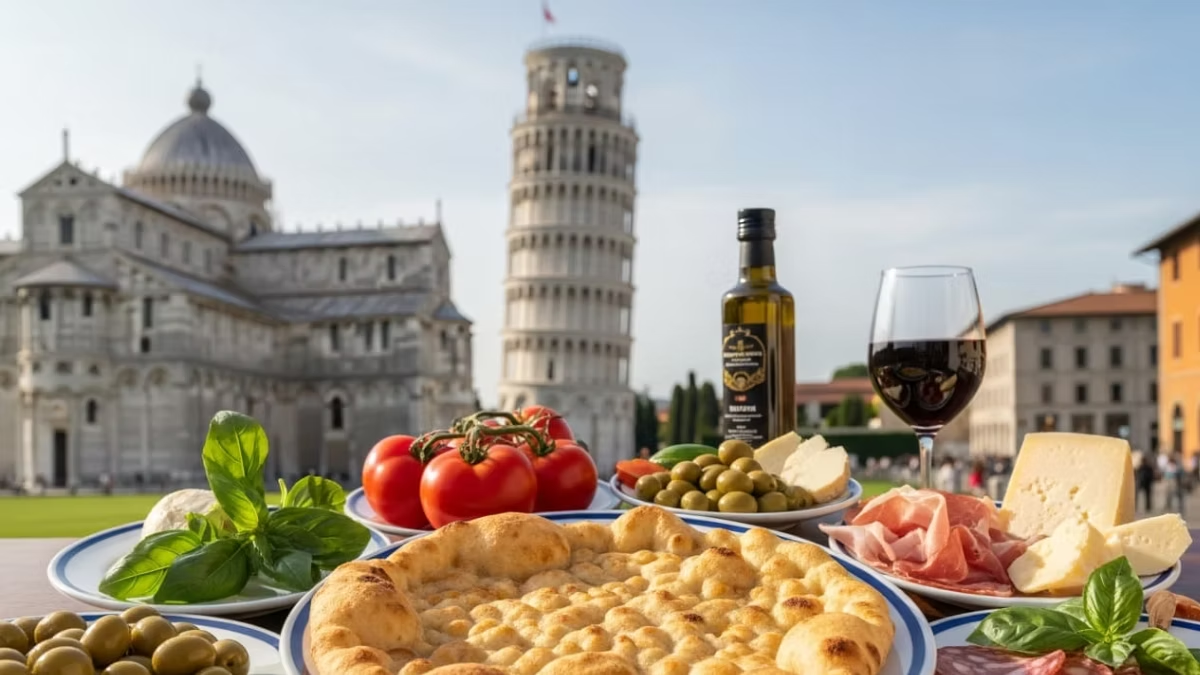
The best food near the Leaning Tower is found on Via Santa Maria and in the streets south of Piazza dei Miracoli. For authentic Pisan cuisine at fair prices, walk 10–15 minutes from the square toward the historic centre — the restaurants immediately adjacent to the Tower entrance are almost universally overpriced tourist traps. Local specialities to try include cecina (chickpea flatbread), pici pasta, ribollita, and fresh seafood from the Ligurian coast.
Eating near the Leaning Tower of Pisa requires a small degree of navigation. The restaurants immediately facing or surrounding Piazza dei Miracoli cater almost exclusively to day-trippers and charge accordingly — the food is often adequate but rarely memorable and consistently overpriced. A 10–15 minute walk toward Pisa’s historic centre changes the picture entirely. This guide covers both categories honestly: where to eat if convenience matters most, and where to go if you want to eat well.
What to Eat: Local Pisan Specialities
Pisa’s signature street food is cecina — thin crispy chickpea flatbread baked in a wood-fired oven, served in wedges for €2–4. Other local dishes worth seeking out: pici pasta with wild boar, ribollita (bread and bean soup), and fresh seafood from the nearby Ligurian coast.
Pisa sits at the meeting point of Tuscany’s land-based food tradition and the Ligurian seafood coast. The result is a cuisine that features both hearty slow-cooked dishes and fresh fish — often on the same menu. These are the dishes worth seeking out:
Cecina (or torta di ceci) Pisa’s signature street food. A thin, crispy flatbread made from chickpea flour, olive oil, salt, and water — baked in a wood-fired oven and served hot in wedges, often inside a folded slice of schiacciata bread. Called cecina in Pisa (cecìna in Italian), it is found at local bakeries and focaccerie throughout the city centre and is almost impossible to find outside Tuscany. Inexpensive, filling, and distinctly local.
Pici pasta Thick, hand-rolled spaghetti, characteristic of southern Tuscany but common throughout the region. Typically served with a slow-cooked wild boar ragù, an aglione tomato sauce (made with a large local garlic variety), or simply with butter and sage. A better indicator of kitchen quality than penne al pomodoro — if a trattoria makes good pici, the rest of the menu usually follows.
Ribollita A thick, warming Tuscan bread soup made with cannellini beans, cavolo nero (black kale), stale bread, and vegetables. The name means “reboiled” — it is made by reheating and thickening leftover minestrone, and it is one of the most honest and satisfying dishes in the Tuscan repertoire.
Bistecca alla fiorentina Thick-cut T-bone steak from Chianina cattle, grilled over wood embers and served rare. Found at trattorias with a grill — an expensive but excellent choice at a quality establishment.
Fresh seafood Pisa is close to the Ligurian coast and the fishing villages around Livorno and Viareggio. Seafood is genuinely fresh at good restaurants: caciucco (a rich Livornese seafood stew), spaghetti alle vongole (spaghetti with clams), and frittura mista (mixed fried seafood) are all worth ordering.
Cantucci and vin santo The classic Tuscan dessert pairing — hard almond biscotti dipped into a small glass of sweet fortified wine. Found at virtually every café and trattoria.
Where to Eat: By Distance from the Tower
The best food is found 10–15 minutes from the Tower in Pisa’s historic centre. Restaurants immediately adjacent to the square are generally overpriced and tourist-oriented. Walk south along Via Santa Maria or into the streets around Piazza dei Cavalieri for better quality at fair prices.
On Via Santa Maria (5–10 Minutes from the Tower)
Via Santa Maria runs south from Piazza dei Miracoli toward the Arno River and is the main street connecting the square to the city centre. The restaurants here range from acceptable tourist-oriented places to genuinely good trattorias. The key is selection — look for places where the menu is in Italian as well as English, where the terrace isn’t covered in plastic furniture, and where there is a daily specials board.
Tip: Walking halfway down Via Santa Maria already puts you in a noticeably more authentic zone than the restaurants directly facing the Tower.
In the Historic Centre (15–20 Minutes from the Tower)
For the best food at fair prices, head south of the Arno River toward the historic centre. The area around Piazza dei Cavalieri, Borgo Stretto, and Via San Frediano has a dense concentration of good local trattorias and osterie that serve Pisa’s resident population rather than tour groups.
Osteria dei Cavalieri (Via San Frediano, 16) — Widely considered the best osteria in Pisa. Consistently recommended by locals and food writers. The menu changes seasonally and features classic Pisan and Tuscan dishes: ribollita, pici with wild boar, Chianina beef, grilled fish. Booking ahead is strongly recommended, especially at lunch. Closes in the afternoon; check current hours.
La PergOletta — A long-established, candlelit restaurant known for its curated approach to Tuscan cuisine. Traditional dishes executed with care in an elegant but unpretentious atmosphere. Good wine list.
Il Toscano (Piazza Arcivescovado) — Closer to the Tower than many good restaurants, about a 5-minute walk. Serves classic Tuscan dishes — tagliata di manzo, seasonal mushroom risotto — and has a well-curated wine list. A reliable choice if you want quality without the walk into the city centre.
Quick Bites and Casual Options
Cecina bakeries — The most authentic quick meal in Pisa. Small focaccerie and bakeries throughout the city centre sell cecina by the slice from around midday. Look for shops with a wood-fired oven visible from the street. Approximately €2–4 for a generous portion.
L’Ostellino (Piazza Felice Cavallotti) — A popular sandwich shop near the square serving panini made with local cured meats, cheeses, and fresh ingredients. Good for a light lunch to eat at a piazza table.
Gelato — Multiple gelaterie operate on and around Via Santa Maria. For quality, look for gelato that is stored in covered containers (not piled high in colourful mounds) — this indicates freshly made product rather than industrial ice cream. Pisa lacks a rival to San Gimignano’s famous Gelateria Dondoli, but good gelato is easily found.
Caffè / cornetto — The standard Italian breakfast: an espresso or cappuccino with a cornetto (croissant). This is available for approximately €2–3 at any bar in the city. Avoid the cafés directly facing the Tower entrance where the same breakfast can cost three times more.
Restaurants Directly Facing the Tower
The cafés and restaurants with outdoor seating immediately adjacent to Piazza dei Miracoli do exist and are not universally terrible — but the prices reflect their location. Expect to pay €15–25 for a pasta dish and €3–5 for a coffee. If convenience and a Tower view while eating are the priority, La Scaletta (a seafood restaurant a few steps from the Tower) has a reasonable reputation for fresh fish, and several of the larger restaurants on the north side of the square serve acceptable Tuscan food at premium prices.
Practical Eating Tips
Lunch timing matters. The lunch rush at restaurants near the Tower peaks between 12:30 PM and 2:00 PM when tour groups arrive. Eating at 12:00 PM or after 2:00 PM means a quieter experience and often faster service.
Pisa is a student city. The University of Pisa is one of the oldest in Europe, and the student population keeps prices lower and the food more honest in the city centre than in many other Tuscan tourist towns. Follow the students away from the square for better value.
Free water at fountains. Pisa has numerous public water fountains (fontanelle) throughout the city with potable cold water. A useful and free resource on a warm day.
Reservations at Osteria dei Cavalieri. This is the one restaurant in Pisa where booking ahead is genuinely important. It is small and popular, and walk-ins at lunch are often turned away.
Check for “coperto.” Italian restaurants typically charge a small cover charge (coperto) of €1.50–3 per person. This is normal and unavoidable — it covers bread and table service. It should be listed on the menu.
Frequently Asked Questions
Where is the best place to eat near the Leaning Tower of Pisa?
For the best quality and value, Osteria dei Cavalieri on Via San Frediano (15–20 minutes from the Tower) is the most consistently recommended restaurant by locals. For closer options, Il Toscano near Piazza Arcivescovado is a reliable choice within a 5-minute walk.
What is the local food specialty of Pisa?
Cecina (chickpea flatbread) is Pisa’s most distinctive local speciality. It is available from midday at bakeries throughout the city centre and is an authentic, inexpensive taste of local food culture.
Is food expensive near the Tower?
Restaurants directly adjacent to Piazza dei Miracoli charge premium tourist prices. Walking 10–15 minutes toward the city centre reduces prices significantly while improving quality. A full lunch at a good trattoria in the city centre costs approximately €15–25 per person including wine.
Are there vegetarian options in Pisa?
Yes. Ribollita, cecina, pasta dishes with tomato or mushroom sauces, and grilled vegetable antipasti are all common and genuinely good vegetarian options at most trattorias.
Is it safe to eat at restaurants directly facing the Tower?
They are not unsafe — the food is generally competent and the locations are obviously convenient. The trade-off is higher prices and a less authentic experience. For a quick coffee and snack before or after your Tower visit, they are fine; for a proper lunch or dinner, the city centre offers considerably better value.
